-
Need Help?

Need Help?
Contact your Sales Engineer

From One 16:9 Screen to a Full Church Visual
Church LED Screen Story
From One 16:9 Screen to a Full Church Visual System
A real customer story about how one church moved from uncertainty to a long-term LED strategy that kept growing with its space, its services, and its needs.

This church did not begin with a masterplan for multiple screens, outdoor viewing areas, and future stage redesigns. Like many churches at the beginning of the process, they started with uncertainty.
Their first questions were the same questions most churches ask: What size makes sense? How much should we spend? Will this still make sense a few years from now? The answer did not come from overbuilding on day one. It came from making a smart first decision, then letting the system evolve over time.
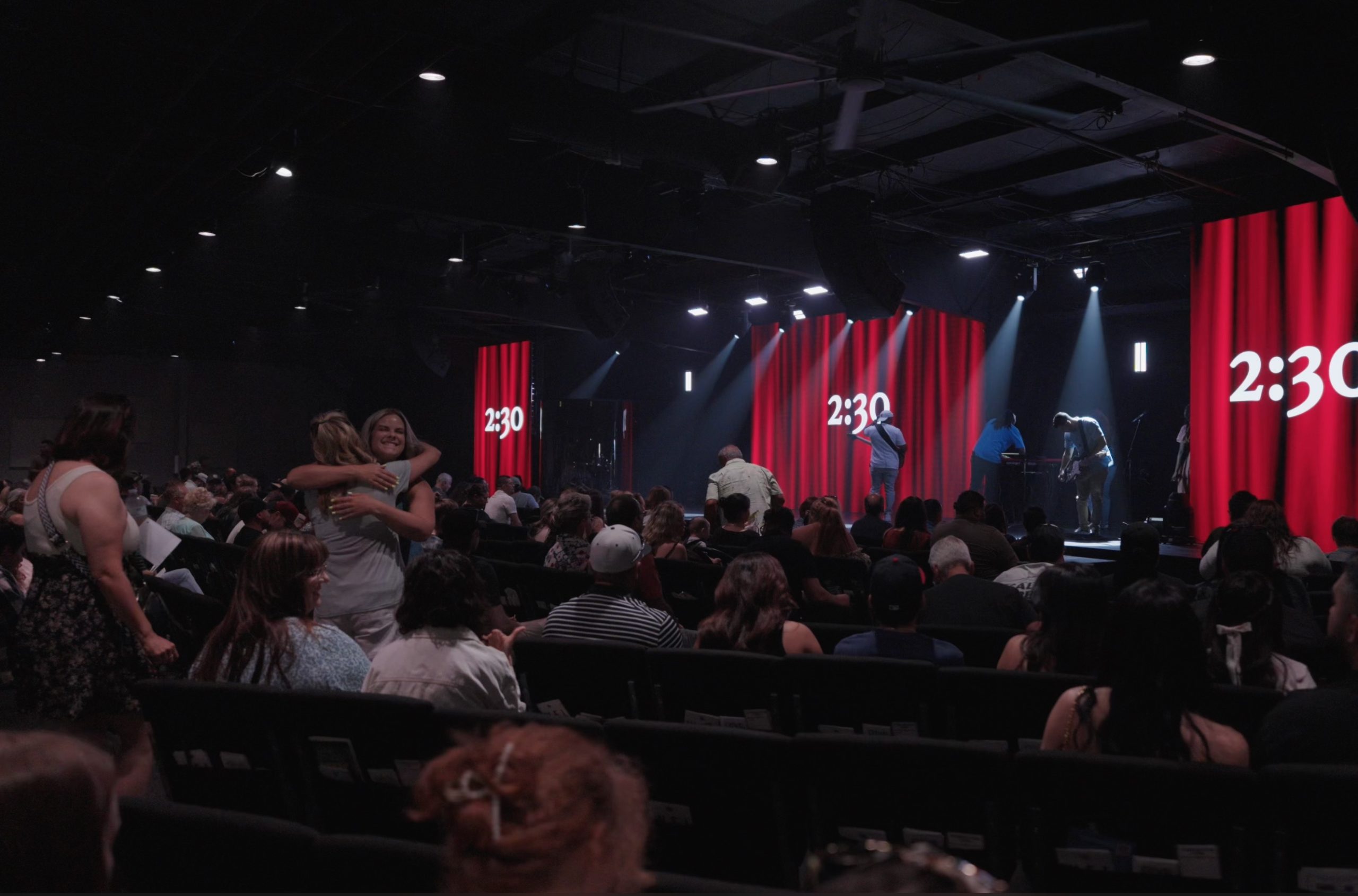
Before the details, it helps to actually see the church environment.
This story is easier to understand when you can see the space, the stage environment, and the kind of visual experience the church was building toward over time.
Instead of making this page feel theoretical, this footage helps connect the story to a real ministry setting.
Uncertainty
Price, size, and whether the investment would make sense long-term.
16:9 decision
A practical format that worked well for worship visuals, lyrics, and presentations.
Outdoor expansion
Two years later, they upgraded for overflow patio use and special events.
Repurposed system
The older indoor screen became two smaller side columns instead of going unused.
Full visual layout
A larger center screen later turned the older display into two vertical side screens.
It started with the same questions most churches have
At the beginning, this church was not thinking about a complete visual system. They were trying to make one smart decision for the present.
They needed a screen that would improve the worship experience, fit the room well, and feel like a responsible investment. Like many churches, they were balancing uncertainty around price, uncertainty around size, and uncertainty around the long-term value.
After weighing the options, they chose a 16:9 LED screen. It was familiar, practical, and flexible enough to support lyrics, sermon graphics, video content, and general presentation needs.
Why 16:9 made sense
- Clean format for worship content
- Practical for weekly services
- Balanced visual impact and budget
- Strong foundation for future growth
What happened next is what makes this story valuable
The first screen served them well for two years
That original screen became part of the rhythm of the church. It supported weekly services, improved the visual experience, and proved that the first investment was the right one.
They upgraded to an outdoor screen for the overflow patio and special events
As the church grew, their needs changed. They began looking beyond the main indoor space and saw an opportunity to better serve overflow moments and larger gatherings outdoors.
They repurposed the original indoor screen into two side columns
Instead of treating the first screen like something obsolete, they reused it. That move added more visual dimension to the platform while preserving value from the original investment.
Years later, they purchased a bigger center screen
The church eventually took the next big step by creating a larger visual focal point. This was not just a replacement. It was a new stage in a system that had already proven its value.
The older screen was split into two vertical side screens
At that point, what started as one screen had grown into a complete visual layout: a larger center display supported by two vertical side screens.


This was not one purchase. It became a long-term visual strategy.
The smartest part of this story is not just that the church upgraded. It is that each step built on the one before it. The original screen created value, the outdoor upgrade expanded ministry use, and the repurposed displays helped create a more complete platform design.
That is what a well-planned LED investment can do. It can grow with the church instead of locking the church into one fixed moment in time.
What churches can learn from this customer story
You do not need to solve everything on day one
The first decision only needs to make sense for the current need. Future growth can be planned into the system over time.
A smart first screen can create value for years
This story shows how one original screen kept serving the church even after later upgrades changed the overall setup.
Repurposing matters
A modular LED system can be reconfigured instead of discarded, which helps churches protect their investment.
Growth should feel intentional
Every stage of the system should reflect how the church is actually using its space, not just what looks impressive today.
Hear the pastor’s perspective
A written case study helps show the progression. A testimonial helps show the experience behind it.
That is what makes this stronger than a simple product story. It reflects what the church needed, how the project evolved, and what the result meant from their perspective.
From uncertainty to clarity
This church started with price questions, size questions, and long-term questions. What they built over time was not just a bigger screen setup. It was a smarter visual system.
This church story is not just about what they bought. It is also about who they partnered with.
Plenty of companies can sell a screen. Far fewer can support a church across multiple stages of growth with the same level of consistency, communication, and field execution. That is what makes the partner side of this story just as important as the product side.
A partner built to support growth wherever it happens
SV Solutions is built to support projects coast to coast, giving customers a team that can travel, install, and support wherever the project is located.

Pisco Gastrolounge
Dual LED screens installed to enhance digital menus, ambiance, promotions, and live event experiences.
View case study →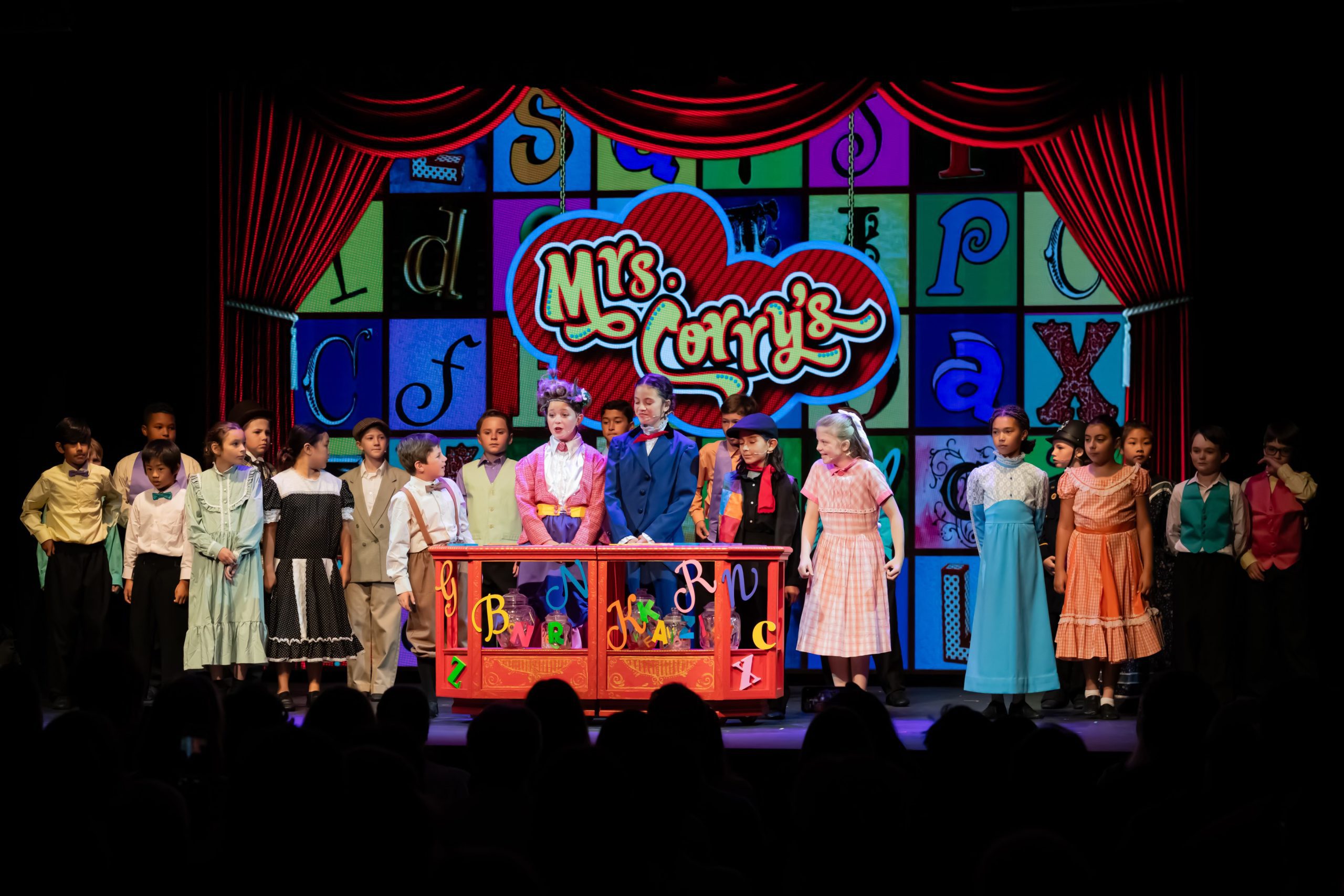
Meadows Arts & Technology Elementary School
A theater upgrade in Thousand Oaks, CA featuring a high-resolution LED wall for performances and events.
View case study →This kind of long-term church growth works better when the team behind it is real.

When the system evolves over time, the people behind it matter even more.
One of the clearest ways to separate a real LED partner from generic marketing is simple: can they show the people doing the work?
SV Solutions does not rely only on claims. The company shows its team, its installs, and its process. That matters because trust in this category is built through visible execution, not just polished copy.
This story becomes even stronger when the real customer experience backs it up.
A story like this only becomes more convincing when it is backed by the kind of customer feedback that speaks to responsiveness, professionalism, and the real experience of working together over time.
“SV Solutions installed a brand new LED screen at our church, and the entire experience was excellent from the very first phone call to the final installation. Everything was handled professionally, and Isaac did an outstanding job with the install. Highly recommend SV Solutions!”
— Calvin Gainey“Carson was one of the most polite, caring sales representatives I’ve ever encountered. His gentle approach to helping me was unmatched! I hope and pray that he is rewarded for his effort of care. Carson, continue to do great work. You were such a blessing to me! Thank you and God bless you!”
— Toni LoschiavoThese are not vague compliments. They speak directly to responsiveness, professionalism, install quality, and support. That is exactly what churches want when they are making decisions that need to keep serving them years later.
See more reviewsFAQ
Why would a church start with a 16:9 LED screen?
Because it is a familiar and practical format for lyrics, sermon visuals, presentations, and video content.
Can a church repurpose an older LED screen instead of replacing everything?
Yes. One of the biggest strengths of modular LED systems is that older screens can often be reused in new layouts.
Why upgrade to an outdoor screen later instead of doing everything at once?
Because needs often change over time. Growth, overflow attendance, and special events can make an outdoor screen more valuable later than it was at the beginning.
What is the biggest lesson from this church story?
That a well-planned LED system can evolve over time. One smart first decision can create value for years if the setup is expanded strategically.
Can a church start with an indoor screen and expand outdoors later?
Yes. Many churches begin with the main sanctuary need first, then expand to overflow patios, courtyards, or special-event spaces as attendance and use cases grow.
Is it better to buy the biggest system now or scale over time?
It depends on the church’s current needs, budget, and growth plans. Many churches benefit more from making one smart first decision and expanding intentionally later.
Why does modular LED matter for churches specifically?
Because modular systems make it easier to reconfigure, repurpose, and grow the setup over time instead of treating the first purchase like a dead end.
How does working with an experienced installer help long-term?
Experienced installers help churches think beyond the first screen so the system can keep making sense as the space, ministry needs, and stage layout evolve.
What should a church think about before choosing its first LED screen?
Churches should think about room size, viewing distance, content type, current budget, future expansion plans, and whether the system may eventually need to be reconfigured.
Thinking about your church’s first LED screen?
Start with what makes sense now, but work with a team that understands how that decision can support future growth.
- Tell us your current room size
- Tell us your main use case
- Tell us if outdoor expansion may matter later
- Tell us what kind of visual layout you want to grow into
Talk with SV Solutions about a church LED setup that works today and still makes sense years from now.
Talk to an Expert