-
Need Help?

Need Help?
Contact your Sales Engineer

LED Floors & LED Dance Floors: Complete Guide (2026)
LED Floor Guide · 2026
LED Floors & LED Dance Floors: The Complete Guide (2026)
An LED floor turns the ground itself into a living screen — pixels you can walk, dance, and play on. From wedding dance floors that react to every step to retail activations that stop foot traffic cold, walkable LED displays are one of the most experiential tools in visual technology today.

What is an LED floor?
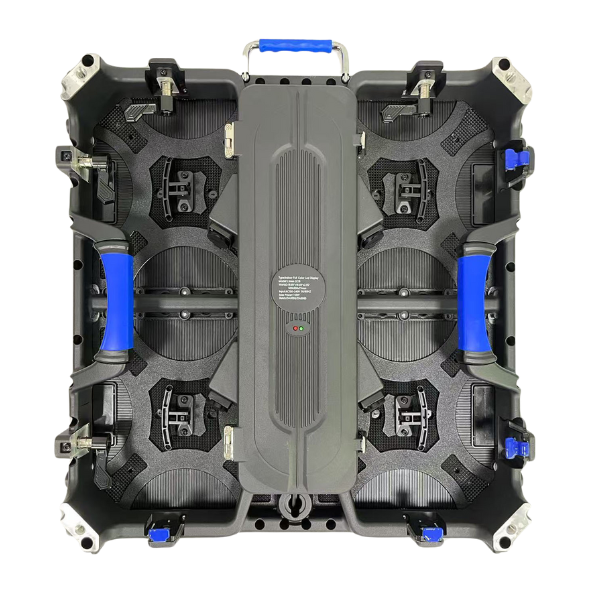
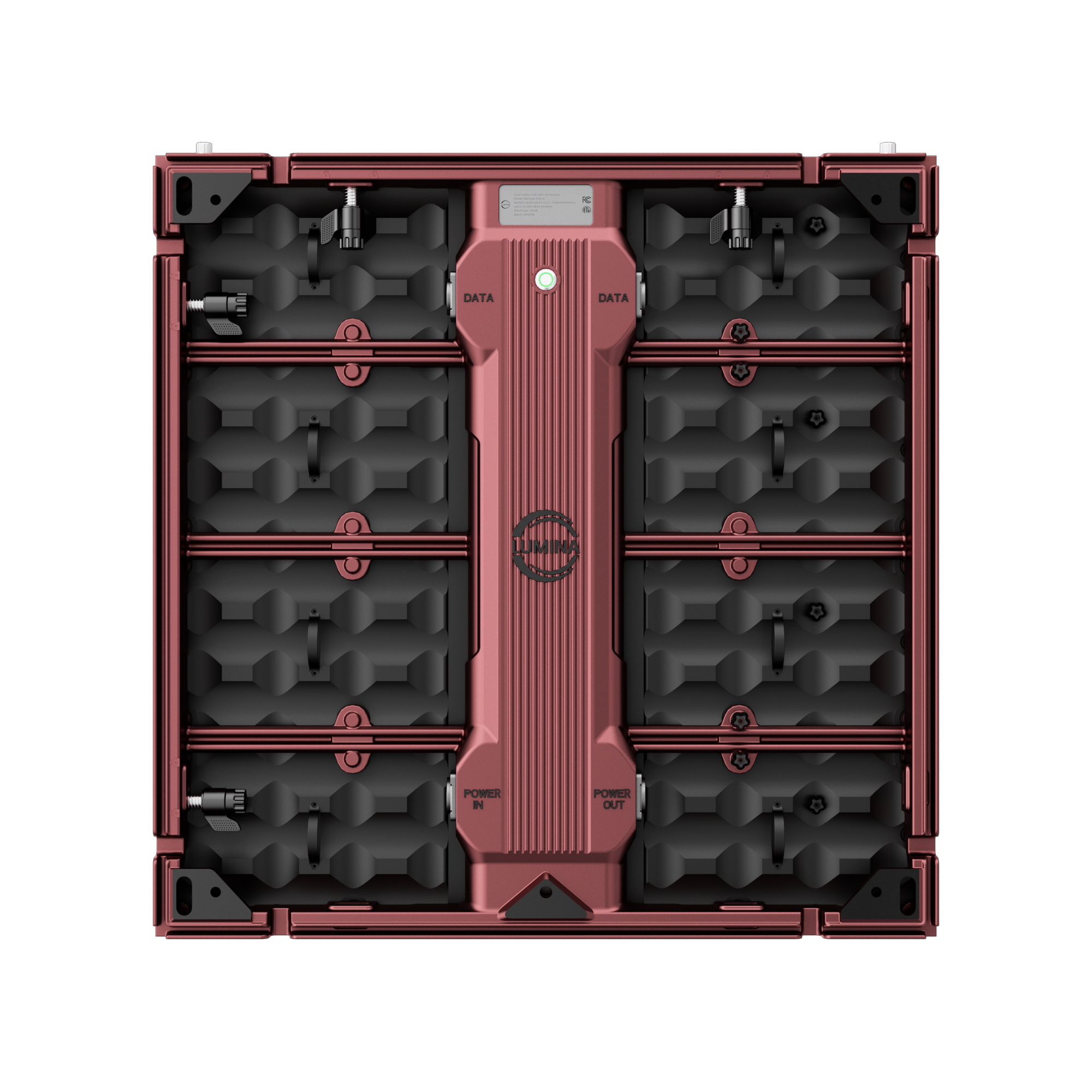
An LED floor (also called an LED dance floor or floor LED display) is a modular display built from interlocking tiles strong enough to walk and dance on. Each tile is a self-contained LED panel topped with a tempered, anti-slip surface that protects the diodes while letting the image shine through. Lock the tiles together and you get a seamless, animated surface of any size and shape.
Unlike a standard LED video wall mounted vertically, a floor display is engineered for load-bearing and impact — it has to survive heels, crowds, and equipment rolling across it.
How LED dance floors work
Three things make a floor display different from a wall:
Reinforced, walkable tiles
Floor tiles use a die-cast structure and a tempered glass or PC top mask, rated to carry heavy loads (more on numbers below).
Seamless modular assembly
Tiles (commonly 500×500 mm or 500×1000 mm) lock together with leveling feet, so the surface stays flat and gap-free across large layouts.
Optional interactivity
Advanced floors embed pressure/position sensors — typically 128–256 per square meter — so the visuals react in real time to where people step: ripples, waves, games, synchronized effects.
Where LED floors shine
- Weddings & private events — a custom dance floor with the couple's monogram, reactive effects, and color shifts through the night.
- Concerts, clubs & stage shows — extend the visual show to the floor for full immersion.
- Retail & brand activations — a moving floor stops foot traffic and turns a storefront or booth into an experience.
- Corporate, showrooms & museums — branded, interactive surfaces for lobbies and exhibits.
- Sports & entertainment venues — court-side and entrance moments with massive wow-factor.
If you've used our LED video walls or stage screens, a floor is the natural next layer of immersion.
LED floor vs. a traditional dance floor or projection
A vinyl or wood dance floor looks the same all night. A projector throws an image down — but people cast shadows on it, it washes out under event lighting, and it can't be walked on without distortion.
An LED floor solves all three: the image lives inside the surface, so there are no shadows, no wash-out under bright lights, and the visuals are crisp from directly above. You also get something neither option can match — content that changes on demand: brand colors, a couple's names, a sponsor logo, a countdown, or live-reactive effects, all on the same floor in the same night.
The LED floor specs that actually matter
You don't need to memorize a datasheet — but these are the five things that decide whether a floor fits your project:
| Spec | What to look for | Typical range |
|---|---|---|
| Load capacity | Must handle crowds + equipment | ~1,500–2,000+ kg/m² (≈2 tons) |
| Pixel pitch | Lower = sharper up close | P0.9, P1.25, P2.9 and up — SV Solutions offers fine-pitch floor options |
| Tile size | Drives layout flexibility | 500×500 mm or 500×1000 mm |
| IP rating / surface | Spills, anti-slip, durability | ~IP65 top / IP54 bottom; anti-slip mask |
| Interactivity | Reactive effects vs. playback only | 128–256 sensors/m² (if interactive) |
Most LED floors stop at P3.9 or coarser, since you view them from standing height. We go further: our floors are available in fine pitches down to P0.9 and P1.25 for installs where people stand close — retail, showrooms, photo activations — where the extra resolution shows.
Not sure what pixel pitch means for your viewing distance? Our guide breaks it down.
How to plan an LED floor for your event or install
A floor takes a bit more planning than a wall. The essentials:
- Measure the space and decide the shape — LED floors are modular, so you can build squares, runways, stages, or custom outlines.
- Check the sub-floor. It should be reasonably flat; leveling feet handle small variations.
- Plan power. Floors draw real wattage at scale — we size the circuits for you (see our power guide).
- Protect the cabling. Edge ramps and proper cable management keep the perimeter safe for guests.
- Prep the content ahead of time, and have a tech on-site to run it live.
For events, all of this is part of the service — we handle setup, operation, and teardown so you just enjoy the result.
What does an LED dance floor cost?
Floor pricing varies more than wall pricing because of the reinforced build and optional interactivity. The main cost drivers are:
- Total square footage (the biggest factor)
- Pixel pitch (finer pitch = higher cost)
- Interactive vs. playback-only
- Installation and on-site operator needs
Because configurations vary so widely, the honest answer is simple: tell us your space and event, and we'll size it and quote it.
LED floors for weddings, retail, and brand activations
- Weddings & galas. The most popular use: a custom dance floor with the couple's monogram, color washes that follow the night's mood, and reactive effects as guests dance. It photographs incredibly well — which is half the reason couples want it.
- Retail & storefronts. A moving floor is a foot-traffic magnet. Brands use them for product launches and seasonal campaigns to turn a passive space into an experience people stop and film.
- Corporate & experiential. Lobbies, trade-show booths, and showrooms use interactive floors for branding and to make a memorable first impression — exactly the kind of "wow" that gets shared on social.
Whatever the setting, the goal is the same: turn the floor from something people stand on into something they remember.
Why the right partner matters
A floor takes more planning than a wall: load ratings, flat installs, cable protection underfoot, and on-site support during the event. SV Solutions handles LED installations end to end — from spec'ing the right tiles to professional setup and 24/7 technical support, the same standards we bring to projects like our work at NASA's Johnson Space Center.
FAQ
Can you really walk and dance on an LED floor?
Yes. Floor tiles are built with reinforced die-cast frames and tempered, anti-slip top surfaces rated to carry crowds and equipment — typically around 2 tons per square meter.
Are LED dance floors interactive?
They can be. Interactive models embed 128–256 pressure/position sensors per square meter, so the visuals react to where people step. Playback-only floors simply display your content.
How much does an LED dance floor cost?
It depends on size, pixel pitch, and whether it's interactive. Contact us with your space and event and we'll quote it.
What's the difference between an LED floor and a regular video wall?
A video wall is mounted vertically for viewing; an LED floor is engineered to be walked on — reinforced, load-bearing, and anti-slip.
Do you supply LED floors?
We work with LED floor solutions for events and installations. Reach out and we'll help you scope the right setup.
Thinking about an LED floor for your event or space?
SV Solutions designs, supplies, and supports LED displays across the U.S.
- Tell us your space and square footage
- Tell us the event or use case
- Tell us if you need interactivity
- Tell us your venue and timeline
Talk to a real LED team. Call 1-866-389-8595 or get a quote online.
Get a quote →